SQUALERÉ 167
Elegance of the Condemned
In 18th-century East London, poverty wasn’t just endured — it was categorised.
From Shoreditch to Whitechapel, the wealthy and the clergy surveyed the slums, documenting the lives of the “poor” and the “very poor” in a language their subjects were never meant to read. Latin — squalere: to be dirty, to be filthy. A judgment sealed off from the very people it condemned.
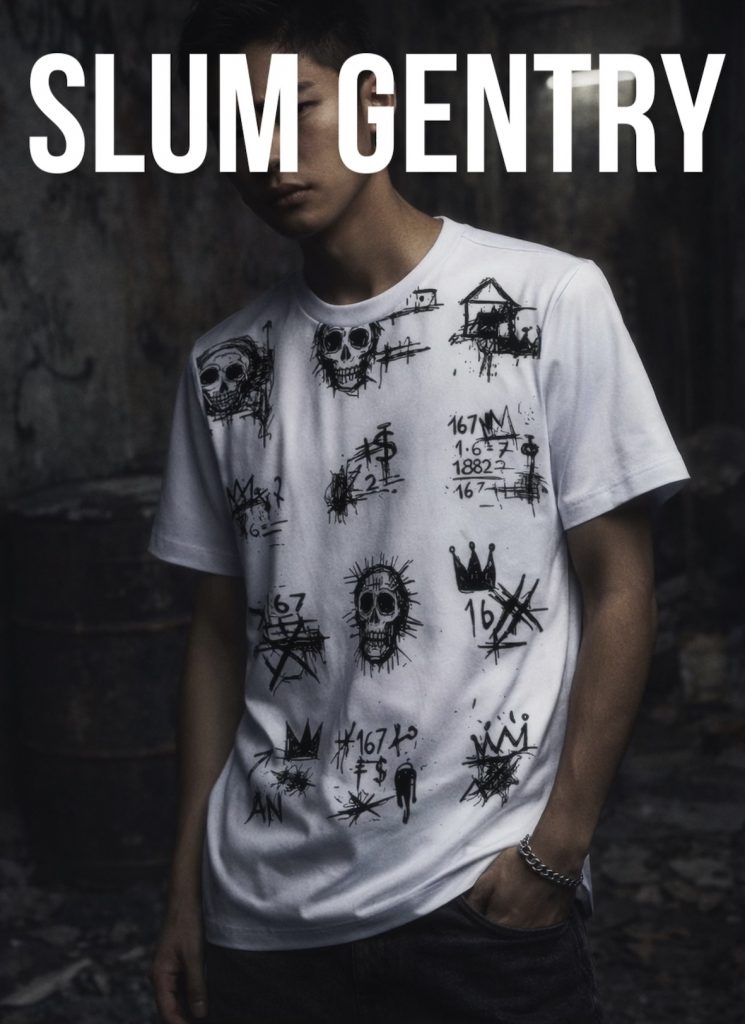
On average, 167 men, women, and children died every single day in the East End — from preventable disease, hunger, exposure, and the neglect of a city that preferred to classify them rather than save them. The number they ignored becomes the number we memorialise.
SQUALERÉ reclaims that word.
Where others once saw degradation, we see rebellion, wit, and pride. Where “very poor” once meant the bottom of society, here it becomes the highest tier of luxury.
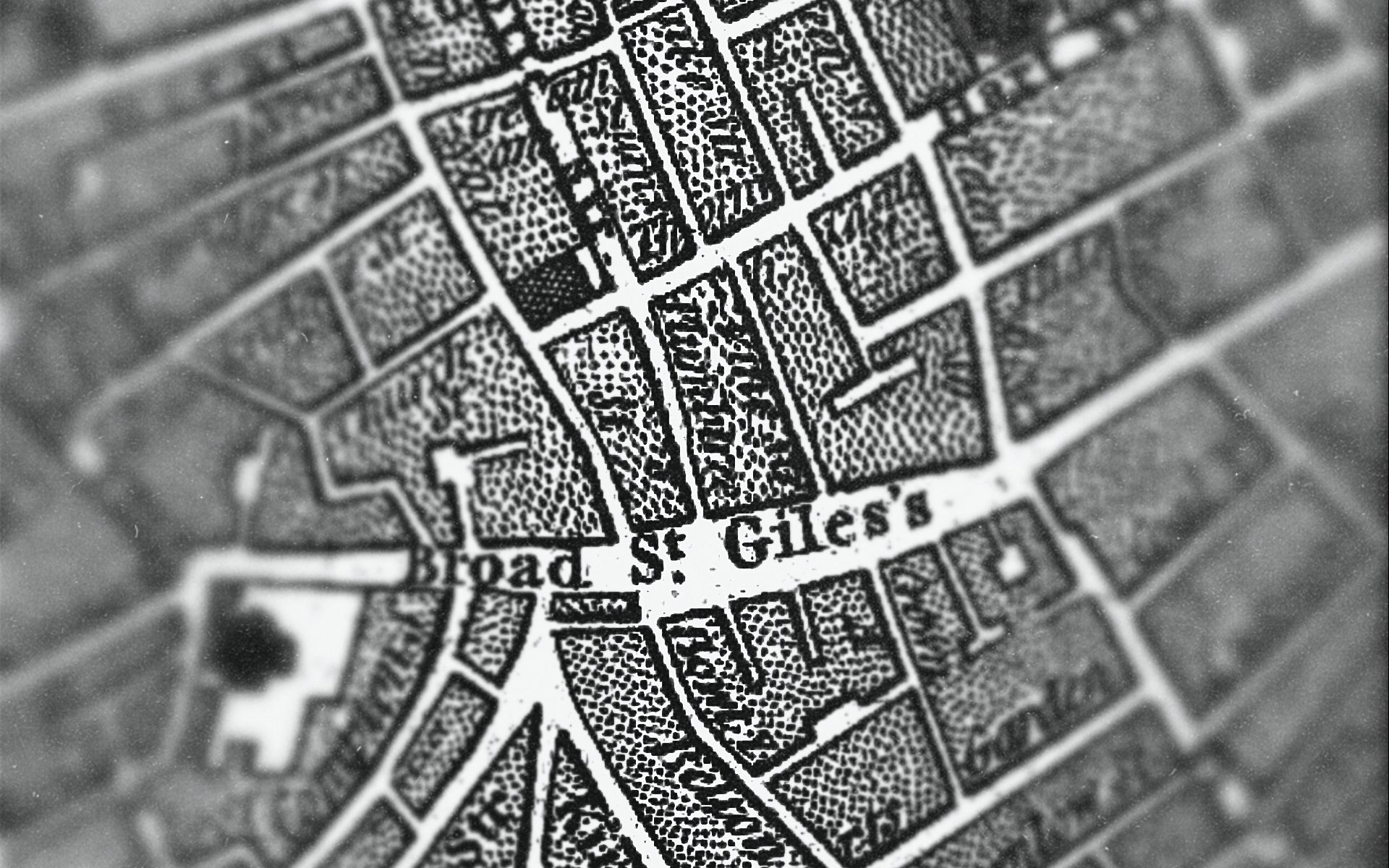
Charles Booth’s blue-coded poverty maps become our inverted markers of quality:
- Dark Blue — “Very Poor”: Distinguished Deprivation. Elite Squalor.
- Pale Blue — “Poor”: Respectable Ruin. Everyday Rag Couture.
Crooked Tailoring. Noble Ruin.
Our clothing is built as if survival taught the craft.
Patterns twist.
One sleeve sags.
A shoulder drops.
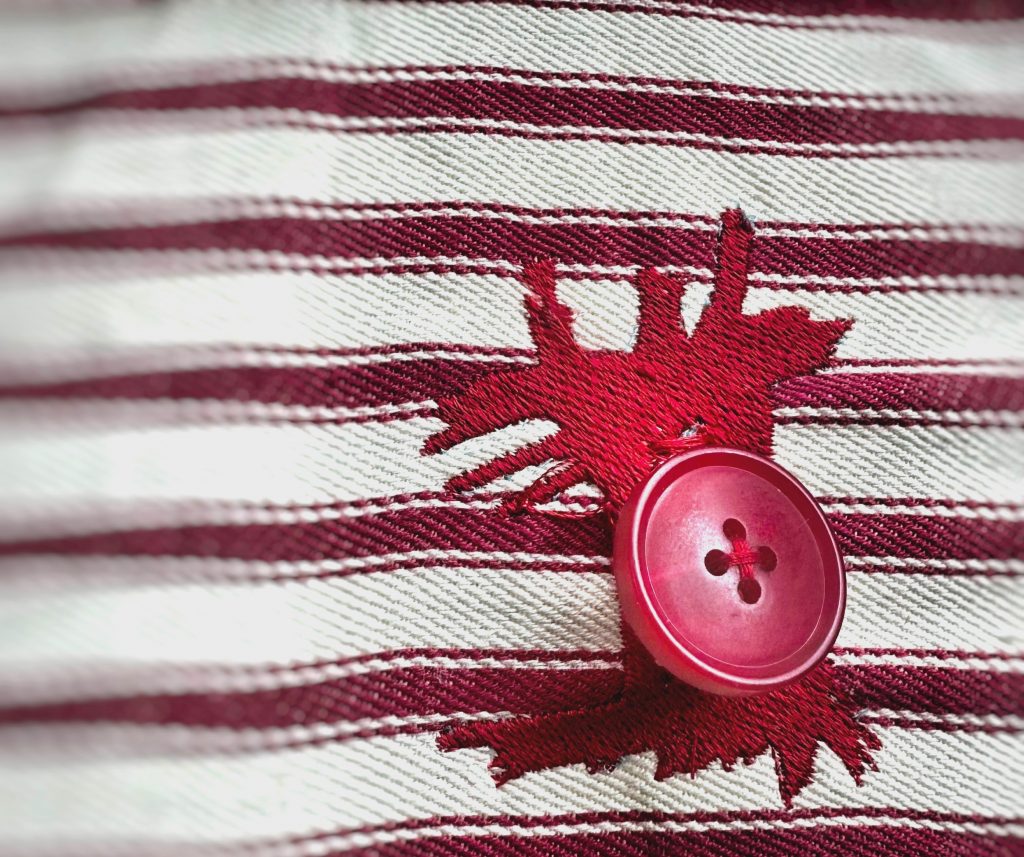
Buttons are mismatched — sometimes found, sometimes forged.
Nothing is straight, because nothing about poverty ever was.
Each piece proudly carries the marks of a life lived hard and the confidence of wearing the world’s judgement as armour.
Deadstock silks meet coarse linens.
Hand-darning becomes ornament.
Repairs become decoration.
Patchwork becomes prestige.
These aren’t costumes. They are the elegant spoils of the survivor — garments that refuse shame. History was written in Latin. The powerful hid their condemnations behind words the poor couldn’t read. We take those same words and turn them into couture.
SQUALERÉ 167 tells the story of those who were never meant to speak — told through crooked seams, twisted grain, and a quiet smile that says:
From the Gutter, Not from the Ground